Numbing cream: why more people choose comfort (without the hype)
Numbing cream: why more people choose comfort (without the hype)
If it feels like “everyone” is using numbing cream before tattoos, you’re not imagining it—topical anaesthetics are now a common, mainstream part of the prep for many clients and artists. Here’s a grounded look at what’s real, what to avoid, and how to use them responsibly.
What numbing creams are (in plain English)
Numbing creams are topical anaesthetics, most commonly lidocaine-based, that temporarily dull sensation in the upper layers of the skin. They work by blocking sodium channels in nerve endings, which reduces pain signals during the tattoo.
Why they’re popular now
- Accessibility: Over-the-counter (OTC) topical anaesthetics are widely available in many countries.
- Consistency: Used correctly, they can make sessions feel calmer and help some clients sit more steadily.
- Artist acceptance: More studios are open to them—provided clients follow product instructions and the artist’s shop policies.
Safety basics that actually matter
- Follow the label exactly. Don’t exceed the recommended amount, area, or time. More is not better with anaesthetics.
- Use on intact skin only (unless a medical professional tells you otherwise).
- Perform a patch test first to check for irritation or sensitivity.
- Avoid heat/occlusion that isn’t specified on the product directions; misuse can increase absorption.
- Tell your artist you’ve used a numbing product—transparency helps them work cleanly and safely.
- Don’t use it if you’re allergic to “-Caine” anaesthetics (like lidocaine/prilocaine) or if a healthcare professional has advised against it.
Common myths (and what’s true)
- “Numbing creams ruin tattoos.”
Not when used correctly. Poor results are more often linked to overuse or misuse (too much product, wrong timing, or using on broken skin), not the concept of numbing itself. - “Stronger is always better.”
Not true. Potency, proper timing, thin even application, and following the specific product directions matter more than chasing “maximum strength.”
How to talk to your artist
Ask early: “Are you happy for me to use a lidocaine-based numbing cream if I follow the label?”
Most pros will share preferences about timing, removal before stencil/linework, and products that play nicely with their workflow.
Who should check with a professional first
If you’re pregnant, breastfeeding, have heart, liver, or skin conditions, take certain medications, or have a history of sensitivity to anaesthetics, get medical advice before use.
The Ink Ease approach
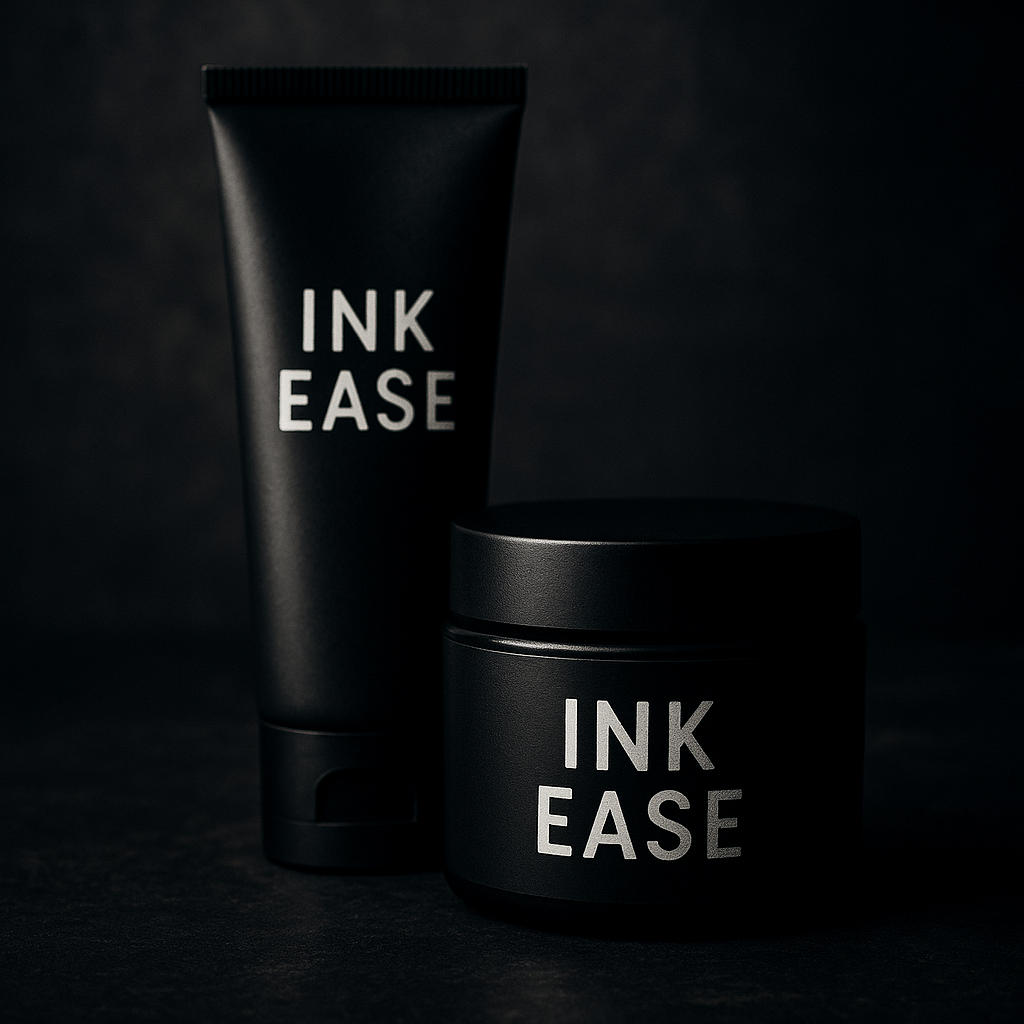
We design numbing products to be clear, skin-kind, and label-led—so you can take the edge off discomfort without compromising artist workflow or healed results. Use as directed, be open with your artist, and focus on the art—not the pain.