Why Tattoo Aftercare Is Important
Why Tattoo Aftercare Is Important
Tattoo aftercare is one of the most important parts of the tattoo process, yet it is often overlooked. A tattoo may take a few hours to complete, but the healing process takes several weeks, and how the skin is cared for during this time will directly affect how the tattoo looks once healed.
A Tattoo Is a Controlled Skin Injury
From a medical perspective, a tattoo is created by repeatedly puncturing the skin with needles to deposit ink into the dermis layer. This process creates thousands of tiny puncture wounds, which means the body treats a new tattoo as a wound that needs to heal.
Because of this, aftercare is essential to:
- Prevent infection
- Support the skin’s natural healing process
- Maintain colour and detail
- Reduce scarring
- Prevent excessive fading
- Keep the skin moisturised and protected
Without proper aftercare, even a well-done tattoo can heal poorly and lose definition.
The Healing Process
Tattoo healing generally happens in stages:
Stage 1 (Days 1–3):
The tattoo may be red, sore, and may leak plasma and excess ink. This is a normal inflammatory response as the body begins healing.
Stage 2 (Days 4–14):
The tattoo may start to dry out, itch, and peel. This is when new skin is forming over the tattoo. It is very important not to pick or scratch the area during this stage.
Stage 3 (Weeks 2–4):
The outer skin appears healed, but deeper layers of skin are still repairing. The tattoo may look slightly dull or cloudy until healing is complete.
Proper moisturising during all stages helps support skin repair and prevents excessive dryness and cracking.
Infection Prevention
One of the main reasons aftercare is important is to reduce the risk of infection. Because the skin barrier has been broken, bacteria can enter the skin more easily in the first few days after getting a tattoo.
To reduce infection risk:
- Keep the tattoo clean
- Wash your hands before touching the area
- Follow your artist’s aftercare instructions
- Avoid swimming pools, hot tubs, and open water
- Avoid tight or dirty clothing rubbing against the area
- Keep the tattoo moisturised but not over-saturated
If a tattoo becomes excessively red, swollen, painful, or produces pus, medical advice should be sought.
Moisture and Skin Healing
Keeping a healing tattoo properly moisturised is very important. When skin becomes too dry, it can crack and scab excessively.
A good aftercare product helps:
- Keep skin hydrated
- Reduce itching
- Support skin barrier repair
- Protect the tattoo during healing
- Help colours heal brighter and clearer
However, over-moisturising should also be avoided, as the skin still needs to breathe during the healing.
Long-Term Tattoo Quality
Good aftercare doesn’t just affect the first few weeks — it affects how the tattoo looks for years. Poor healing can cause:
- Faded colour
- Blurred lines
- Patchy areas
- Scarring
- Uneven healing
Proper aftercare helps ensure the tattoo heals clean, colours stay vibrant, and lines remain sharp.
Tattoo aftercare is important because a tattoo is a wound that needs time and proper care to heal correctly. Keeping the tattoo clean, moisturised, and protected during the healing process helps prevent infection, excessive scabbing, supports skin repair, and ensures the tattoo heals looking its best.
Using a quality aftercare product designed for tattoos can help keep the skin hydrated, protected, and supported throughout the healing process.
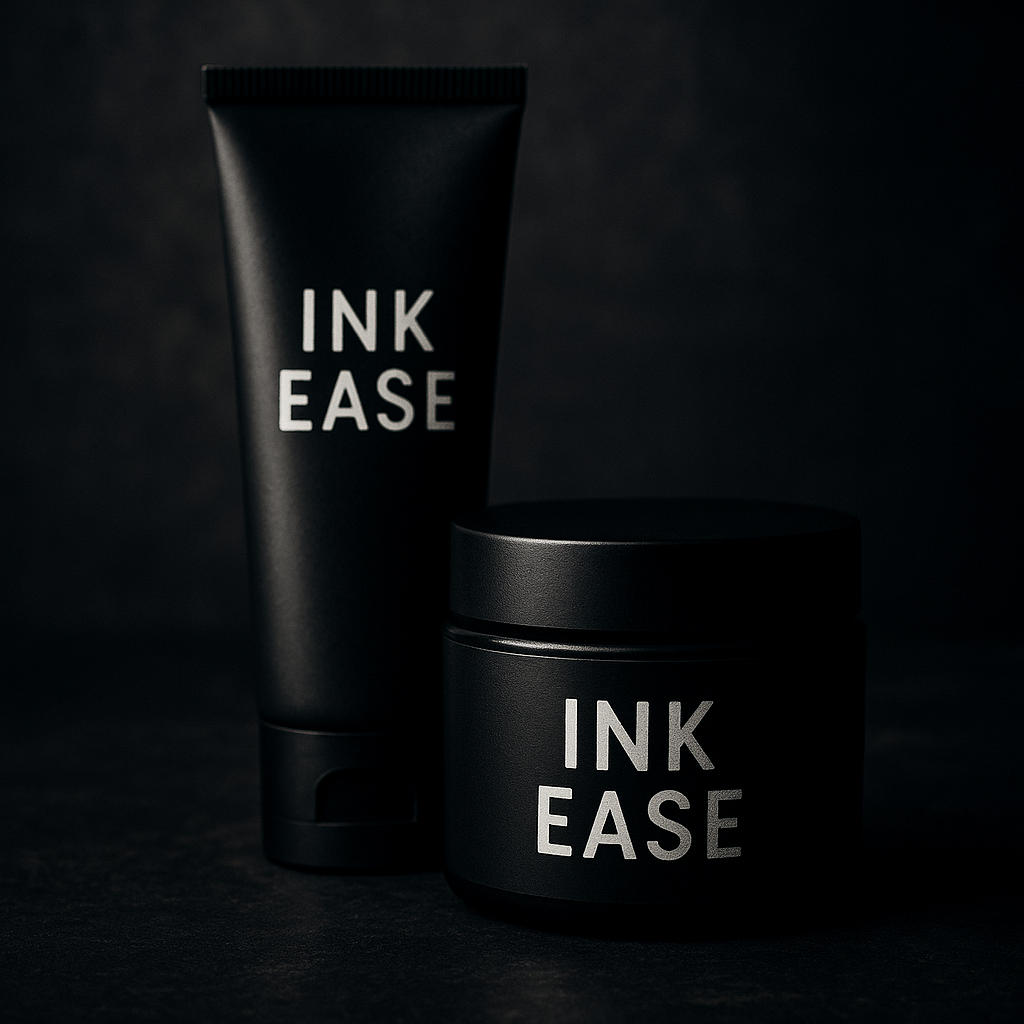
Ink Ease Tattoo After Care Butter is designed to help moisturise, protect, and support the healing process after tattoo and aesthetic procedures.