Tattoo aftercare: why more people are doing it, and why it works
Tattoo aftercare: why more people are doing it, and why it works
Walk into most studios today, and you’ll hear the same message: great tattoos don’t end when you leave the chair. More clients (and artists) are taking aftercare seriously because it measurably helps skin heal well and keeps ink looking sharp for longer. Here’s a grounded look at what’s behind the shift—and how to do it right.
Why aftercare matters (the skin science bit)
A fresh tattoo is controlled skin trauma. Good aftercare supports the skin barrier while it repairs:
- Gentle cleansing helps remove plasma/ink residue and lowers infection risk.
- Light, breathable moisturisation reduces dryness and cracking that can disturb healing.
- No picking/scratching protects the forming epidermis and keeps pigment where it was placed.
- Sun avoidance, then SPF: UV light breaks down pigment and ages skin. Once healed, a broad-spectrum SPF 30+ is widely recommended by dermatologists to slow fading.
None of this is “hacks”; it’s basic wound-care principles applied to tattoos.
What a solid aftercare routine looks like
Days 0–3 (early):
- Wash hands → gently cleanse with lukewarm water and a mild, fragrance-free cleanser.
- Pat dry; apply a thin layer of breathable aftercare.
- Avoid soaking (baths, pools, hot tubs); avoid tight friction.
Days 4–14 (mid-heal):
- Cleanse once or twice daily; keep using a light layer of aftercare to manage flaking/itch.
- Let flakes fall naturally—no picking.
- Keep out of direct sun; skip heavy workouts that rub the area.
Weeks 3–6 (surface healed, still maturing):
- Switch to a regular, gentle moisturiser if needed.
- Re-introduce normal activity; still avoid sunburn.
- Once fully healed, make SPF 30+ part of your routine for any tattoo that sees daylight.
Healing timelines vary by placement, size, and your skin. If something looks unusual (increasing redness, warmth, swelling, pus, or fever), seek medical advice.
Myths to leave behind
- “Ointment fixes everything.” Heavy occlusive products can trap heat/moisture; use a thin layer of a product designed for tattoos/fragile skin.
- “If it stings, it’s working.” Irritation isn’t a goal. Fragrance and harsh actives can annoy fresh skin.
- “Sun won’t hurt black ink.” UV degrades all pigments and photo-ages skin; SPF helps all styles, from colour to black & grey.
Why adoption is rising
- Artist guidance has improved. More studios give clear, printed aftercare—less guesswork, better outcomes.
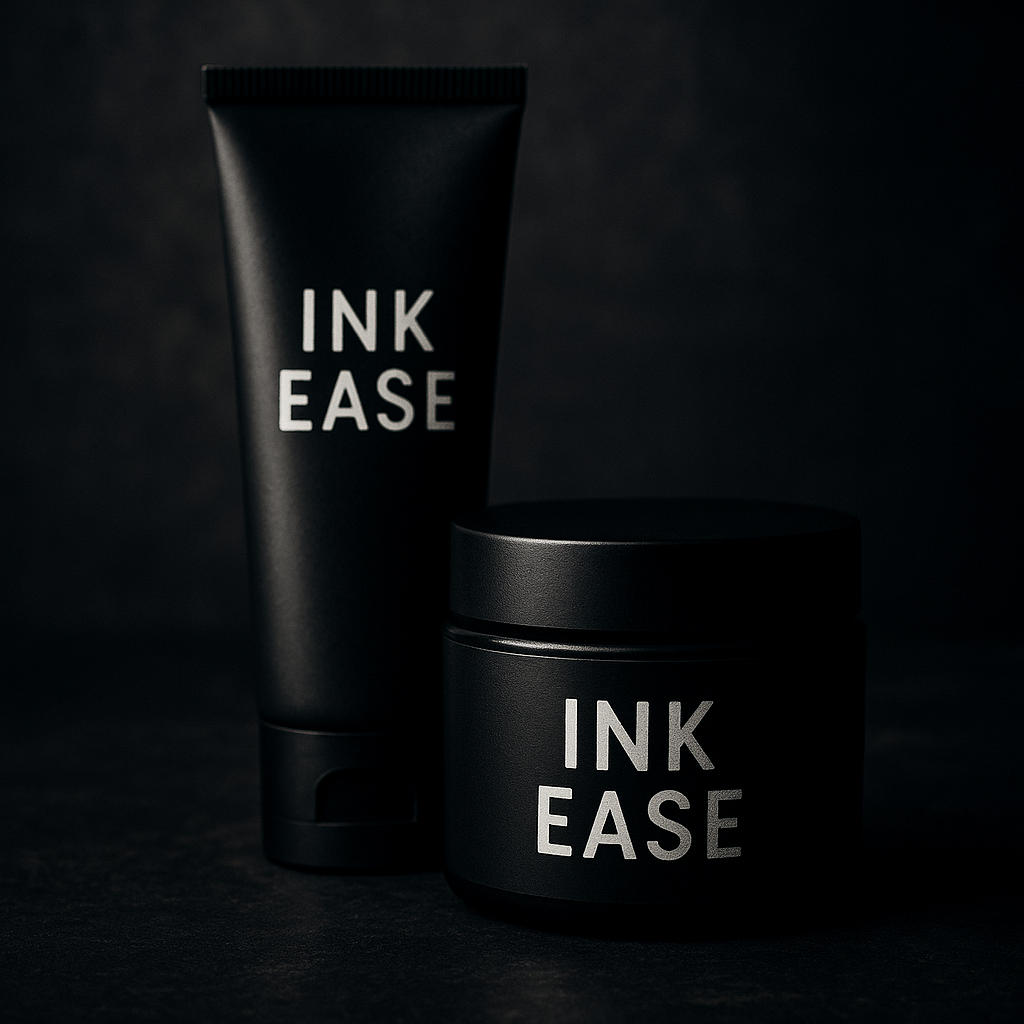
- Better products. Modern aftercare focuses on skin-kind formulas (fragrance-free, non-greasy, breathable).
- Social proof. Healed photos matter; clients want their pieces to photograph well months and years later.
Long-term habits that keep tattoos looking good
- Daily moisturiser if your skin runs dry.
- SPF 30+ on exposed tattoos (reapply as directed).
- Avoid frequent abrasion (tight straps, harsh scrubs).
- Book touch-ups with your artist if an area needs love.